
Important California Rental Law Changes for 2026
What’s changing:
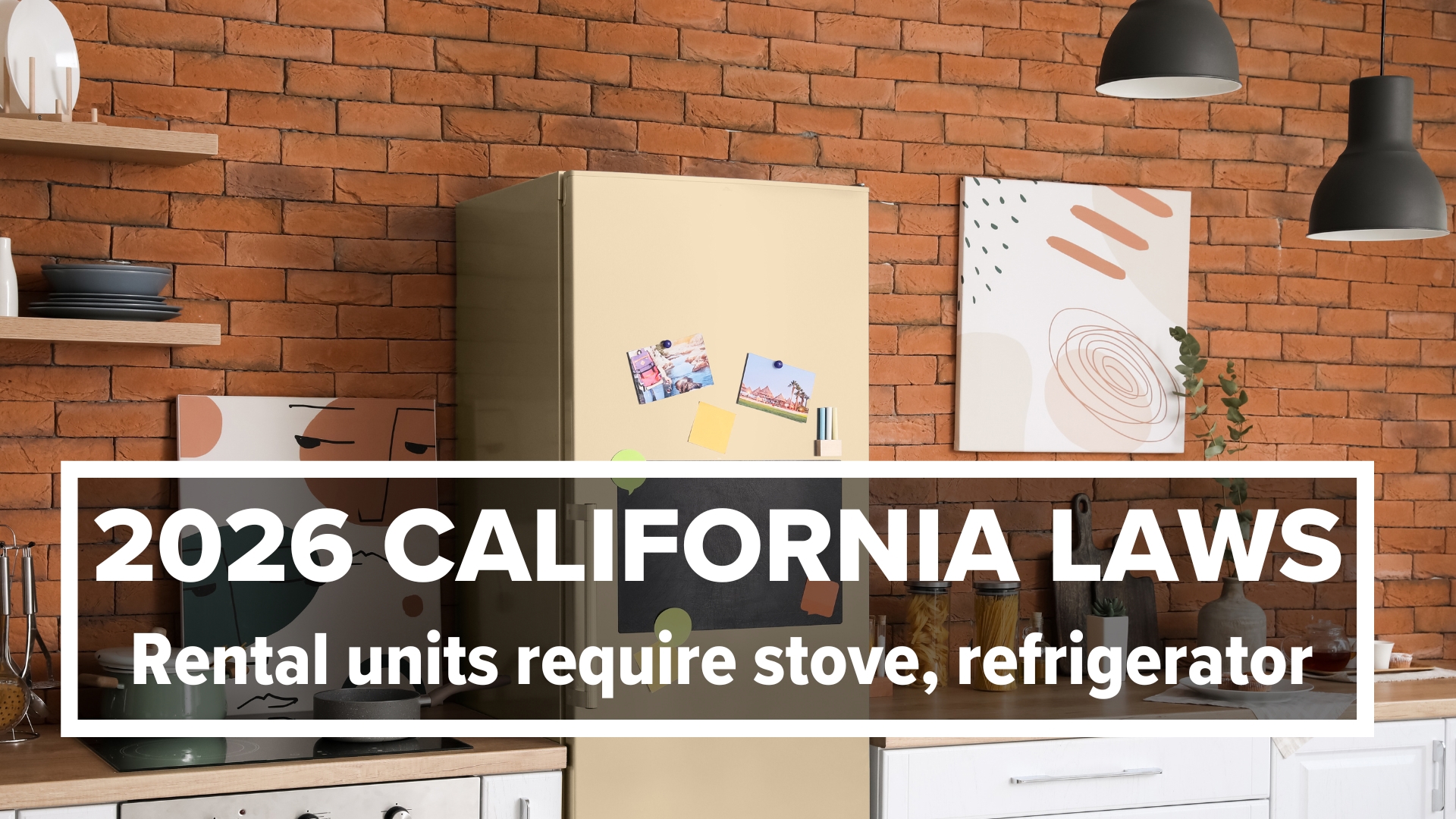
Beginning January 1, 2026, California will require landlords to provide and maintain a working stove and refrigerator in every residential rental unit covered by a new, renewed, or amended lease — not just heating and plumbing anymore. These appliances are now part of what makes a home legally habitable under state law. Renters no longer have to haul a fridge up the stairs or buy a stove for every move — and landlords have to budget accordingly. If an appliance fails or is under recall, landlords must repair or replace it (often within 30 days of notice). Tenants can choose to bring their own fridge if the lease spells it out — but they can also change their mind later with written notice. http://pmerents.com
California’s Tenant Protection Act (AB 1482) remains the statewide rent-increase guardrail in 2026, limiting most rent hikes to 5 % + CPI or 10 %, whichever is lower. This formula is adjusted each year based on regional inflation. This isn’t a new development in 2026, but it continues to shape landlord-tenant relations — think of it as the modern twist on older statewide rent-control efforts.
Fee Transparency and Lease Disclosure Rules
While some of these are still in flux or proposed, a push toward clarity in rental ads and leases is underway. Fees and optional services must be clearly listed. Utility billing practices are being tightened. If you offer a discounted rent, you must state what the rent will be after the discount period. These changes (potentially under AB 1248) aim to make hidden fees less hidden.
Security Deposits & Documentation (Ongoing from 2025)
AB 2801, which took effect earlier, now governs how landlords handle security deposits through 2026. The law requires landlords to photograph rental units at both move-in and move-out. They must also take photos before completing any repairs or cleaning used to justify deductions. Landlords must provide tenants with a written explanation of charges along with the supporting images. This update modernizes fairness in security deposits and eliminates “I swear it wasn’t like that!” disputes by replacing them with clear, documented proof.
Evictions and Notices
Changes in recent years — such as extended notice periods and updated just-cause language — remain relevant into 2026. These protections arose from bills like AB 2347, lengthening eviction response timelines and refining how no-fault terminations work.
A Quick Look at the Bottom Line
Tenants: gaining more rights and clearer baseline standards (no more providing their own stove and fridge, clearer fees, and rent caps you can verify).
Landlords: Compliance isn’t optional — update leases, plan capital budgets for appliances, read fee disclosures with a fine-toothed comb. Keep up to date on local ordinances layered over state rules.
Pro Tip for 2026
Even seasoned landlords will tell you — rules change faster than rent prices. If you’re managing properties, this isn’t just legal housekeeping — it’s good business. Get ahead now, or you might find yourself explaining to a judge why you thought a fridge was “optional.”