
When I was a young girl growing up in Glendale, my father had a DYMO label maker. I don’t remember exactly what he used it for, but I clearly remember the tool itself. There was something satisfying about watching him turn the dial, squeezing the handle, and creating those embossed labels.
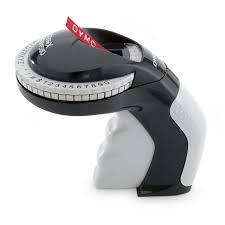
At the time, I never imagined that decades later I would think about that label maker while walking through homes with buyers and sellers. As a real estate agent, I spend a great deal of time reviewing property inspection reports. During inspections, certain issues appear again and again. One of the more common is an electrical panel with missing or inaccurate labels.
In fact, many homeowners have no idea which breaker controls which part of the house. Over the years, renovations, repairs, and appliance upgrades often change electrical circuits. Unfortunately, few take the time to update the panel. Recently, my dishwasher became stuck on a strange cycle. The manufacturer’s troubleshooting guide recommended turning off the power to reset the appliance. Simple enough—or so I thought.
However, our electrical panel was not properly labeled. Instead of locating the correct breaker immediately, we played a guessing game. One breaker shut off the kitchen lights. Another turned off part of the family room. Yet another controlled an outlet we rarely use. Eventually, we found the right breaker, but the process took much longer than necessary.
That experience reminded me why inspectors frequently mention unlabeled electrical panels. Fortunatley, this is a simple home project.
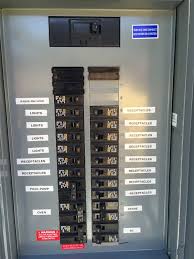
First, gather a notepad, flashlight, and a helper. Then, turn off one breaker at a time. Next, have your helper identify which lights, outlets, and appliances lose power. Finally, create a clear and accurate label for each circuit and begin labeling your circuit breaker.
Be specific. For example, “Kitchen Counter Outlets” is much more helpful than simply writing “Kitchen.” Likewise, “Primary Bedroom and Hall Bath” provides better information than “Bedrooms.”
In addition, check that the labels remain legible. Over time, handwritten notes can fade or become difficult to read. Consider using a label maker if you want a cleaner and more professional appearance. My father would certainly approve. This small project offers several benefits. First, it saves time, and second, it makes future repairs easier. Third, electricians and contractors will appreciate having accurate information. Finally, properly labeled breakers can improve safety for everyone in the home.
If you plan to sell your home, this simple task can also make a positive impression. Buyers appreciate homes that appear well-maintained. While a labeled electrical panel may seem like a minor detail, it demonstrates pride of ownership and attention to maintenance. After all, homeownership involves more than major renovations and expensive upgrades. Sometimes the most valuable improvements cost very little. Yet they make life easier for years to come.
So, if you’re looking for a productive weekend project, grab a flashlight and start labeling those circuit breakers. You might not have a vintage DYMO label maker as my father did, but you’ll appreciate the results the next time you need to shut off the power in a hurry.